
KeyFocusArea

KeyFocusArea

Illicit financial flows

Financing the Sustainable Development Goals (SDGs) and poverty reduction continues to be recognized as one of the most significant challenges to achieving progress. Two major limitations have been observed when dealing with this challenge.

First, corruption and poor governance persist as major bottlenecks for the achievement of the SDGs due to the vast amount of resources lost through corrupt practices. It is now widely acknowledged that illicit financial flows (IFFs) represent a considerable drain on financial resources from developing countries. According to Global Financial Integrity (2021), developing countries lost an estimated US$1.6 trillion in illicit financial outflows in 2018 alone, primarily through trade misinvoicing, tax evasion, and corruption-related activities.

KeyFocusArea

Measurement and monitoring

Corruption measurement/assessment and anti-corruption monitoring and evaluation are crucial ingredients to increase our knowledge on what works and what doesn’t in the fight against corruption. To be effective anti-corruption programmes must be based on a sound foundation of corruption risk assessments or measurement of the extent that corruption has permeated the public and private institutions.

However, the issue of corruption measurement and anti-corruption monitoring and evaluation requires looking at different tools, techniques, and methods depending on what is going to be measured. There is no single formula or one-fits-all approach that will unravel the complexity of these issues. In this page, users will find different tools, methods and practices developed by different organizations and countries.

KeyFocusArea

UNCAC implementation

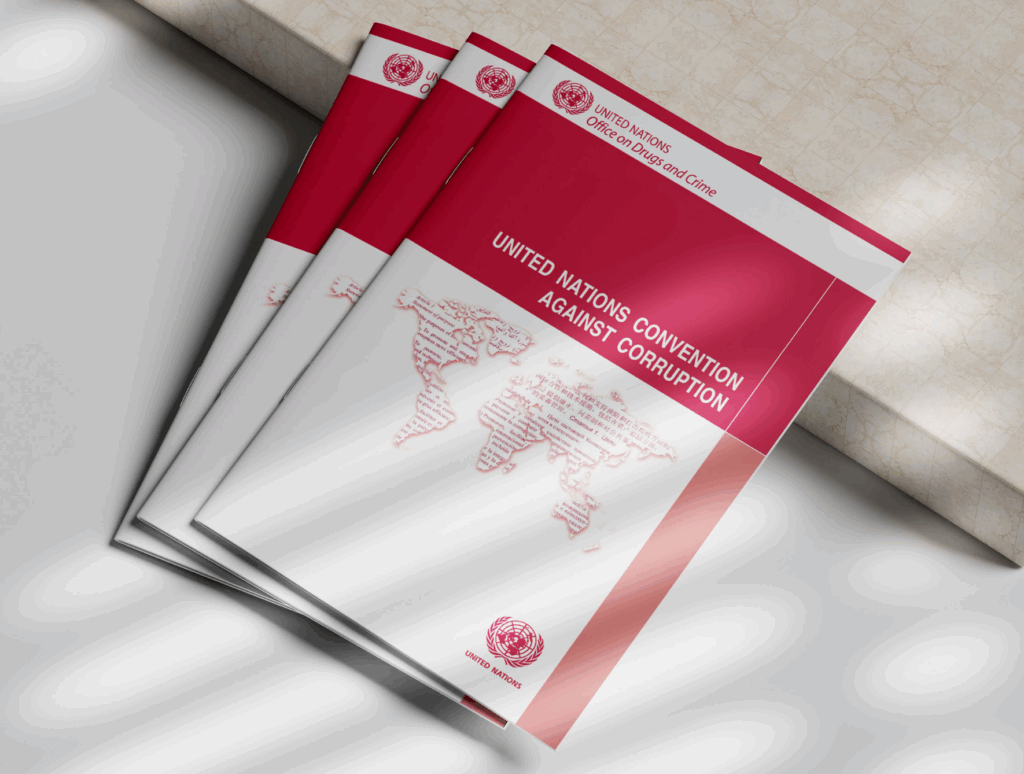
The United Nations Convention Against Corruption (UNCAC or the Convention) was adopted by the UN General Assembly resolution 58/4 of 31 October 2003 and entered into force on 14 December 2005. It is the first global agreement on measures against corruption, which legally binds States Parties, on an equal footing to implement the convention.
UNCAC is a global standard for fighting corruption and corruption risk mitigation. It encompasses a comprehensive collection of measures and approaches to prevent and combat corruption.  The almost universal adoption of UNCAC by State Parties has confirmed not only that corruption is a globally recognised problem across developed as well as developing countries, but also that Member States are placing anti-corruption firmly on their agendas. UNCAC substantive content is clustered in six main chapters including: prevention, criminalization, law enforcement, international cooperation, asset recovery and technical assistance.

KeyFocusArea

Post conflict and transition countries

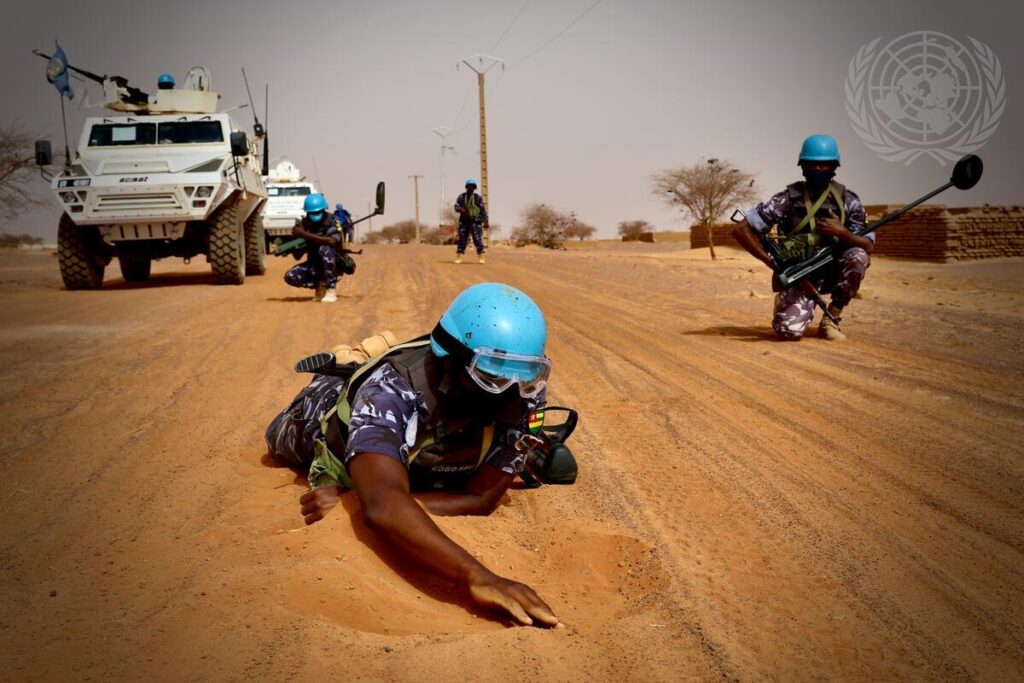
Addressing corruption in post-conflict and transition contexts is one of the major priorities for development actors. One in four people in the world are affected by conflict (United Nations 2024). Corruption is identified as a major factor in derailing political and economic transitions, undermining state capacity and legitimacy, exacerbating poverty and fueling grievances linked to conflict. Often in such contexts, the immediate focus on peace building and state-building comes at the expense of promoting integrity, transparency and accountability in the governance process. Lack of emphasis on transparency and accountability in state-building processes could create opportunities for corruption and limit gains possible from peace.

KeyFocusArea

Climate change

Responding to the effects of climate change and the mismanagement of natural resources has direct and significant consequences for poverty reduction and sustainable human development. In an effort to mitigate the negative impacts, substantial amounts of funds have been pledged and directed toward climate change adaptation and mitigation measures. Similarly, the number of countries relying on extracting resources has been increasing, partly driven by high demand and prices for commodities. The extent to which climate finance or revenues from the extractive sector positively contribute to sustainable human development depends on the extent to which the money is spent for the intended purposes, without corruption and leakage.

KeyFocusArea

Female empowerment

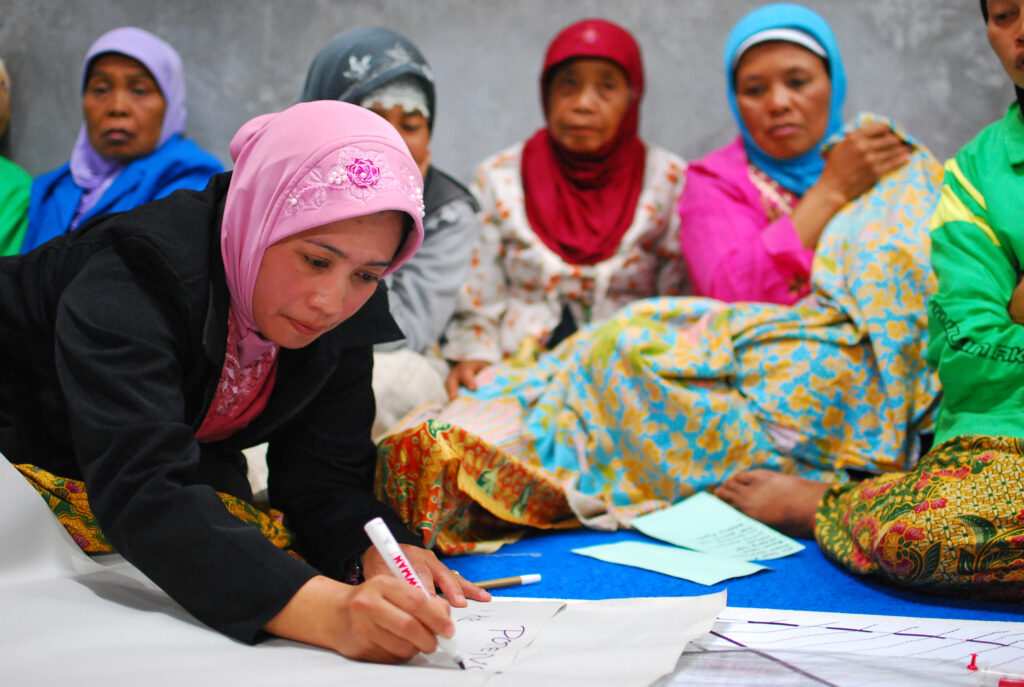
Corruption is not gender neutral; it has different impacts on both women and men. Considering that women often face social, cultural, political and institutional discrimination, they encounter even more repression and social exclusion in a corruption-ridden society. Therefore, anti-corruption measures need to be gender responsive to facilitate gender equality and women’s empowerment. 
Corruption reinforces existing gender inequalities by limiting women’s access to public services, justice, and economic opportunities. Women, particularly those with caregiving responsibilities, often bear the greatest burden as they are more dependent on public institutions for healthcare, education, and social protection.

KeyFocusArea

Human Rights

Transparency and social accountability are key elements in the fight against corruption. Particularly, they have been recognized as pivotal to the enjoyment of human rights. In an institutional and political environment where access to public services suffers from corruption and obscurity, citizens’ monitoring of services, budgets and infrastructure play a vital role in improving the quality of service delivery and the protection of human rights. 

KeyFocusArea

Service delivery sector

While addressing corruption from a holistic angle can be preferable, a targeted sectoral approach is more realistic and practical to implement anti-corruption interventions in various sectors such as education, health and water, and natural resources management. Such an approach enables the development and implementation of sector-specific anti-corruption plans that address the leakages and mismanagement of allocated resources as well as promote institutional integrity in sectors. It has a positive cumulative impact on preventing corruption.

KeyFocusArea

SDGs

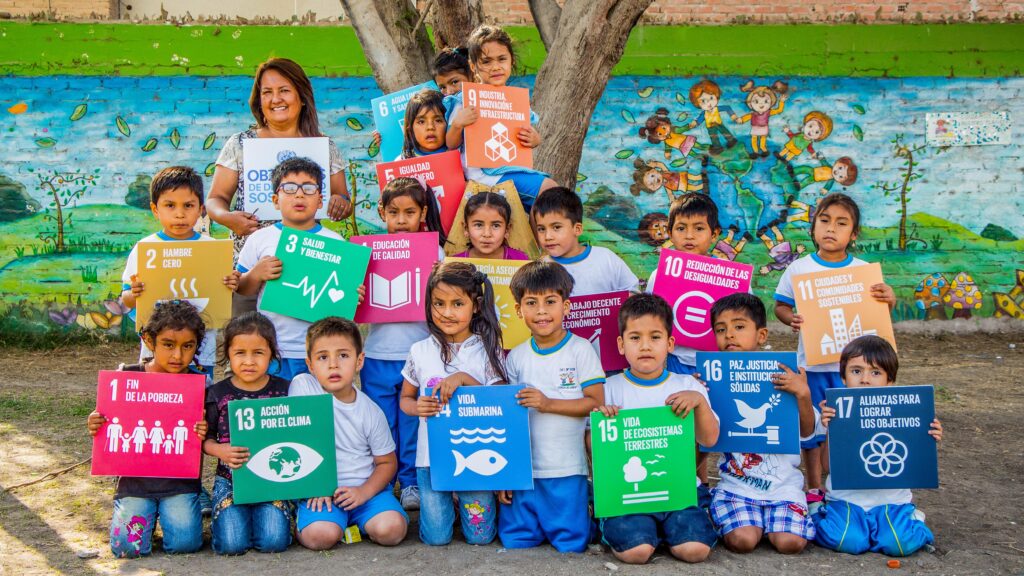
Corruption undermines human development. It diverts public resources away from the provision of essential services. It increases inequality and hinders national and local economic development by distorting markets for goods and services. It corrodes rule of law and destroys public trust in governments and leaders.

The financial and economic costs of corruption are immense. The International Monetary Fund (IMF) estimates that approximately US$1.5 to 2 trillion are paid in bribes every year (IMF, 2018). The overall cost of corruption including embezzlement, misallocation of public funds and fraud, may exceed US$2.6 trillion annually, or roughly 5% of global GDP (World Bank, 2022; United Nations, 2018).

Scroll to Top