
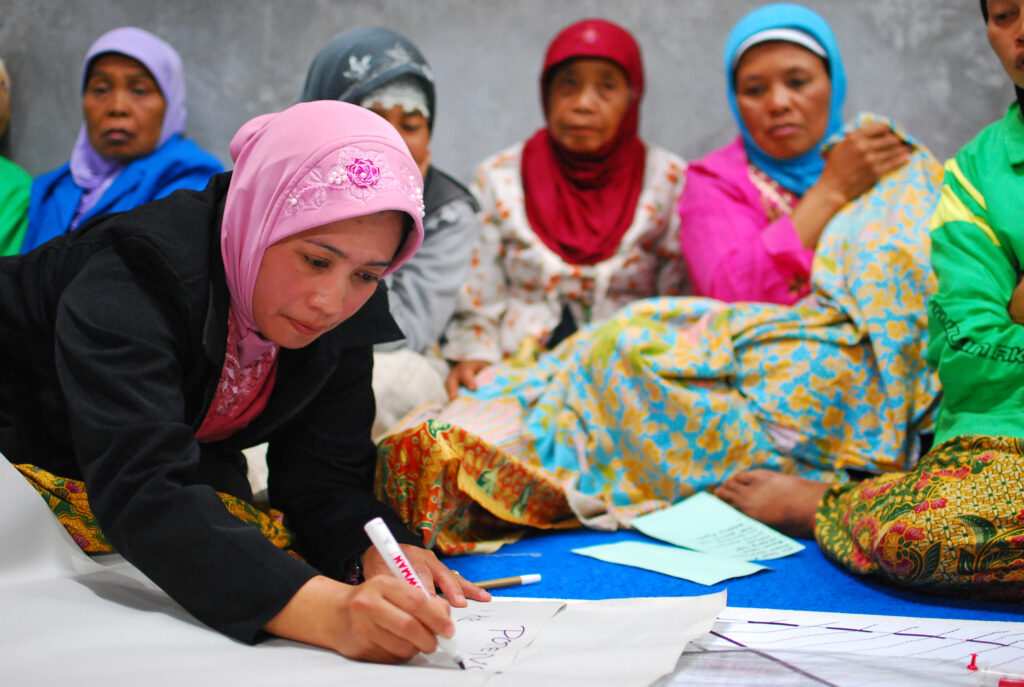
Corruption reinforces existing gender inequalities by limiting women’s access to public services, justice, and economic opportunities. Women, particularly those with caregiving responsibilities, often bear the greatest burden as they are more dependent on public institutions for healthcare, education, and social protection. When corruption infiltrates these sectors, it restricts women’s ability to secure essential services, increases their unpaid care work, and perpetuates cycles of dependency and poverty. In many cases, corruption also manifests in gender-specific forms such as sexual extortion, which further undermines women’s dignity and rights.
At the same time, integrating gender perspectives into anti-corruption policies has proven to enhance both accountability and effectiveness. Women’s participation in public administration, political processes, and oversight institutions is linked to greater transparency and responsiveness in governance. Gender-sensitive anti-corruption strategies should therefore ensure equal access to information, promote women’s leadership, and strengthen mechanisms that allow women to safely report corruption. Empowering women as active agents of change not only advances gender equality but also contributes to building more just, inclusive, and corruption-resilient societies.