UNDP Anti-Corruption for Development Programme
Country Support
Country Projects
Through its Global Anti-Corruption Programme, UNDP provides policy and programmatic support to anti-corruption initiatives across regional hubs and country offices. Working closely with key global and national partners, UNDP promotes integrity, transparency, and accountability across multiple sectors, directly contributing to the achievement of the 2030 Agenda for Sustainable Development. With one of the largest Global Policy Networks (GPN) operating in over 170 countries, UNDP integrates anti-corruption efforts into governance and development initiatives worldwide. This page highlights key initiatives and results from UNDP’s ongoing work to advance integrity and combat corruption at all levels.
Health Sector
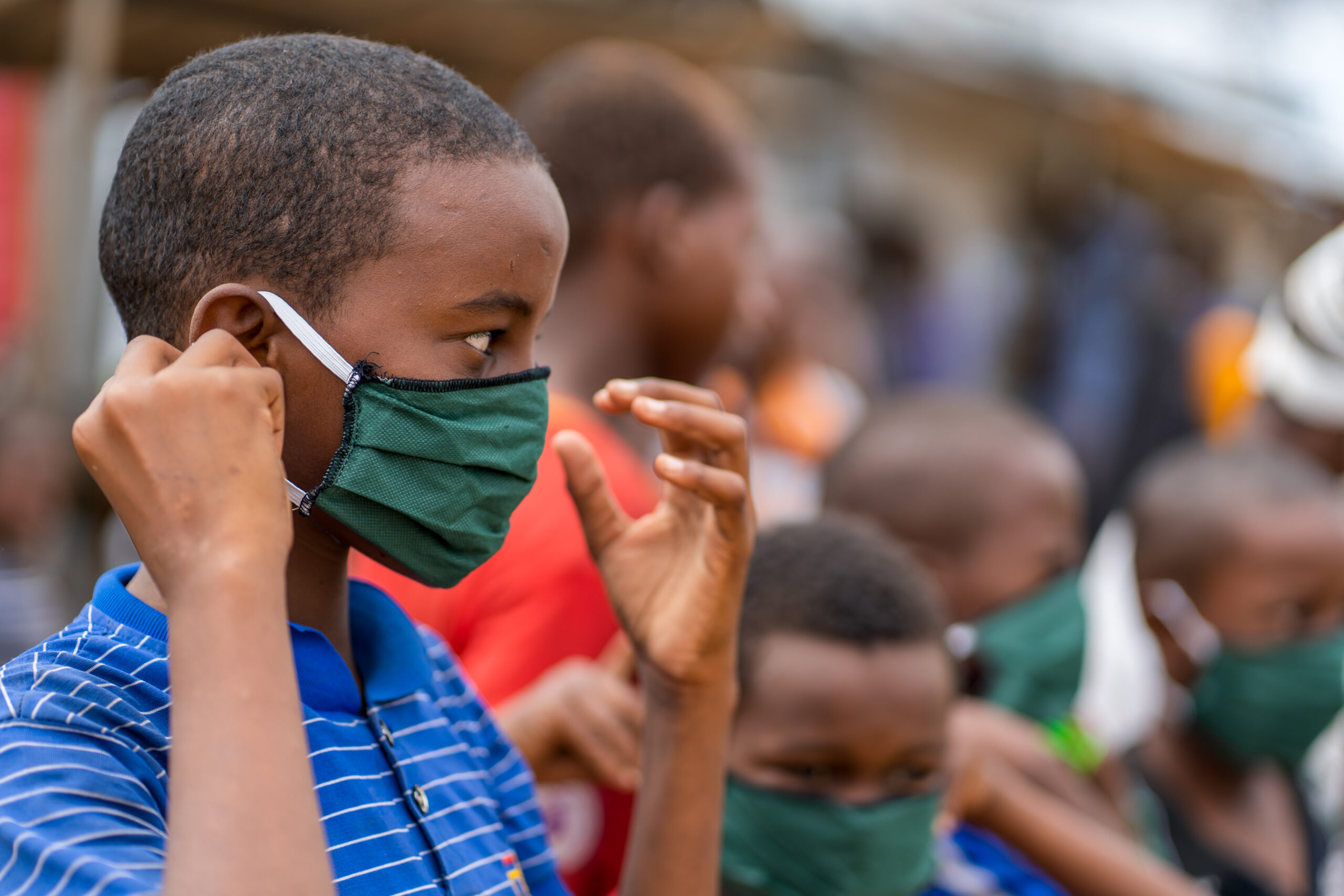
Colombia: This project aims to address corruption risks in the health sector through active engagement and training of citizens who will perform social control on health issues
Brasil: This pilot project focuses on preventing corruption in health sector among public servants of Sao Paulo’s State Health Secretariat. The project is implemented in partnership with the State Secretariat of Public Health.
Guinea: This project seeks to contribute to governments efforts for improved service delivery to the citizens.
Eswatini: This project aims to increase efficiency and effectiveness of maternal and neonatal health care service delivery through enhanced procurement systems in two major hospitals.
Kyrgyzstan: UNDP supports the Ministry of Health and Ministry of Education of the Kyrgyz Republic to identify the corruption probabilities in the procedures established for the health sector bodies to implement their functions. One of the main goals of the project is to assess corruption risk vulnerabilities in the sectors.
Water Sector
Costa Rica: The project is intended to promote transparency and accountability of the Rural Administrative Association of Aqueducts (ASADAS in Spanish) to improve water management in Costa Rica through active involvement and monitoring of users.
Ethiopia: This project seeks to contribute to government’s efforts for improved service delivery to the citizens.
Philippines: The project aims to address sectoral approach in governance with emphasis on the education sector and establish key risk factors with follow-up actions leading to strengthening institutional frameworks.

Education Sector
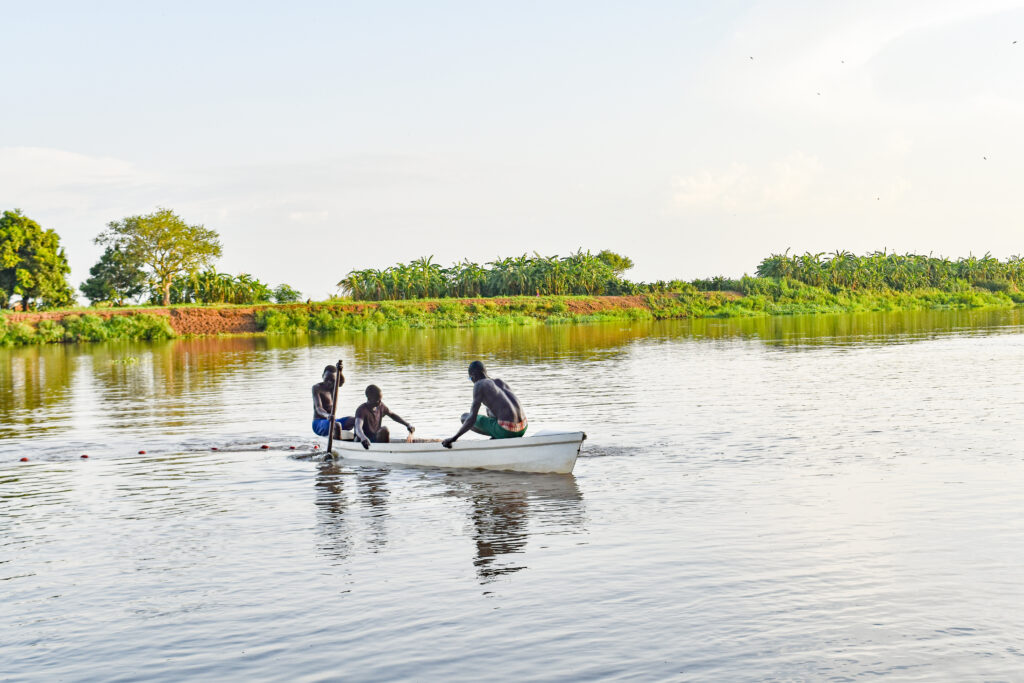
Kosovo: The objective of this initiative is to provide scholars/students and teachers/professors with the opportunity to proactively engage in enhancing corruption control in Kosovo’s education sector by making use of the online platform www.kallxo.com.
Liberia: The project aims to address sectoral approach in governance with emphasis on the education sector and establish key risk factors with follow-up actions leading to strengthening institutional frameworks.
Uganda: The overall objective of the project is to strengthen community participation and oversight for transparent and accountable utilization of universal primary education (UPE) .The project will build capacity of citizens to monitor the public service delivery.
Armenia: In partnership with the Republic of Armenia Ministry of Education and Science, UNICEF and civil society, implement a Social Innovation Camp, including a comprehensive campaign of workshops and web-based outreach.
China: UNDP China together with China Centre for Comparative Politics and Economics are mapping out corruption risks in the higher education sector, propose mitigation strategies, pilot risk reduction plans in selected universities to prevent corruption in this sector.
Cambodia: The objective of this project is to get a better understanding on the nature and prevalence of informal fees in Cambodia and to identify appropriate global and regional experiences and best practices which can be applicable to the Cambodian context.
Anti-Sorruption in REDD+
Perú: Assessing corruption risks to enhance indigenous peoples’ capacity to participate in REDD+. To know more about this initiative please Click Here
Nigeria: Integrating anti-corruption into the pilot Participatory Governance Assessment for REDD+.
Kenya: Anti-corruption, Carbon Rights and Benefit-Sharing in Kenya.
Nepal: Assessing governance issues as drivers of deforestation and forest degradation, and integrity options for REDD+ fund management systems. Click here for more information
Anti-corruption in REDD+: Integrating anti-corruption into the pilot Participatory Governance Assessment for REDD+.
Peace Justice and Strong Institutions
Jordan : In Jordan, UNDP worked with the University of Jordan and the Anti-Corruption Commission to engage students in the commemoration of the International Anti-Corruption Day under the slogan of “Jordan’s Youth against Corruption”.
Lebanon / Education, health and water sectors: The project is currently working closely with the relevant parliamentary committees including National Education and Higher Education; Public Works, Transportation, Energy and Water; and the Public Health, Labor and Social Affairs to develop sector-focused expert groups with relevant stakeholders to introduce and implement a path for reform. The project aims to strengthen the capacity of Lebanese Parliament to address critical reform issues as they relate to sectoral policies.
Bhutan : Strengthening the Capacities of the Anti-Corruption Commission
Indonesia: Support to Indonesia’s National Strategy on Anti-Corruption
Myanmar: Strengthening Government Ability to Promote Integrity and Anti-Corruption, to Improve Public Trust in State Institutions
Papua New Guinea : Phones Against Corruption – a Government Citizen Partnership
Philippines: Development LIVE: Achieving SDGs in Infrastructure through Local Integrity, Innovation & Citizen Empowerment
Thailand: Improving Culture of Integrity in Thailand through Integrity Education of the Youth