
The financial and economic costs of corruption are immense. The International Monetary Fund (IMF) estimates that approximately US$1.5 to 2 trillion are paid in bribes every year (IMF, 2018). The overall cost of corruption including embezzlement, misallocation of public funds and fraud, may exceed US$2.6 trillion annually, or roughly 5% of global GDP (World Bank, 2022; United Nations, 2018). In response to the pervasive impact of corruption, the United Nations Convention against Corruption (UNCAC) was established in 2003, as the first legally binding international instrument dedicated to preventing and combating corruption. As of 25 September 2025, UNCAC has 192 State Parties.
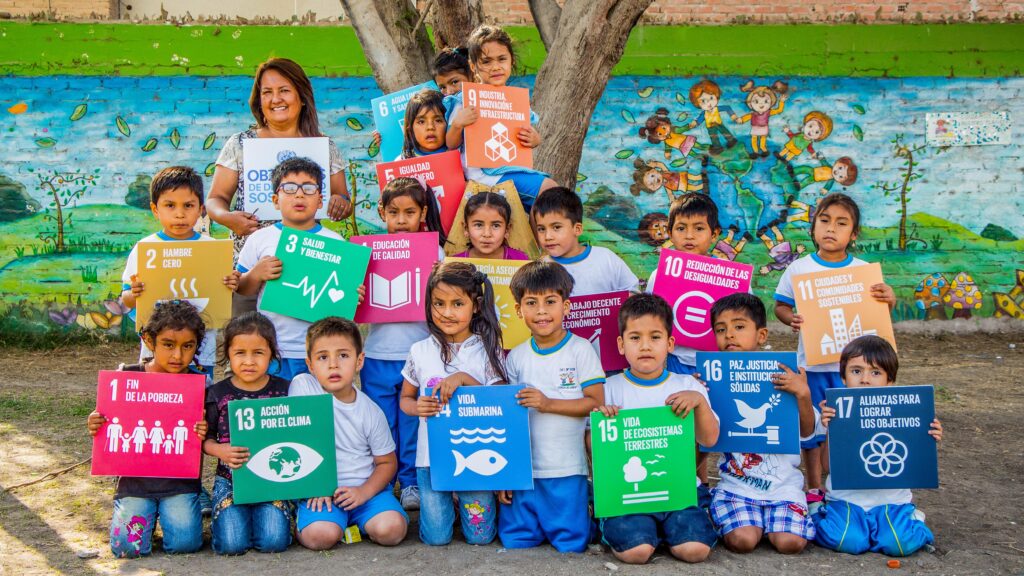
Corruption poses a major obstacle to sustainable development, diverting resources from essential services, undermining institutions, and deepening inequalities. By weakening governance and eroding public trust, it directly affects progress across all dimensions of the 2030 Agenda. The Sustainable Development Goals (SDGs) make an explicit link between corruption and peaceful, just and inclusive societies. While all the Goals are affected by corruption, SDG 16 places particular emphasis on building effective, accountable and transparent institutions. Its targets on reducing bribery, strengthening institutions and ensuring access to information are not only valuable aspirations in their own right — they are also vital conditions for achieving all 17 Goals. UNDP’s approach aims at strengthening anti-corruption institutions and systems, supporting the implementation of UNCAC, mitigating corruption risks in essential sectors, and reinforcing the collective actions of governments, civil society and the private sector in combating corruption.