When Mexico’s National Anti-Corruption System launched its National Anti-Corruption Policy, one of the biggest challenges was how to connect thousands of institutions, each generating their own data, into a single national effort. Since 2023, UNDP Mexico has been working closely with the Executive Secretariat of the National Anticorruption System (SESNA) to help meet this challenge—supporting both national and state-level institutions to use technology, data, and innovation to prevent and detect corruption more effectively.
Technology sits at the heart of UNDP Mexico’s collaboration with SESNA. Together, the two institutions are developing digital tools that make it easier for public officials and citizens to access, understand, and use data to strengthen accountability. The goal is not only transparency. It is to ensure that information can drive action—inform investigations, identify risks, and guide better public policy decisions.
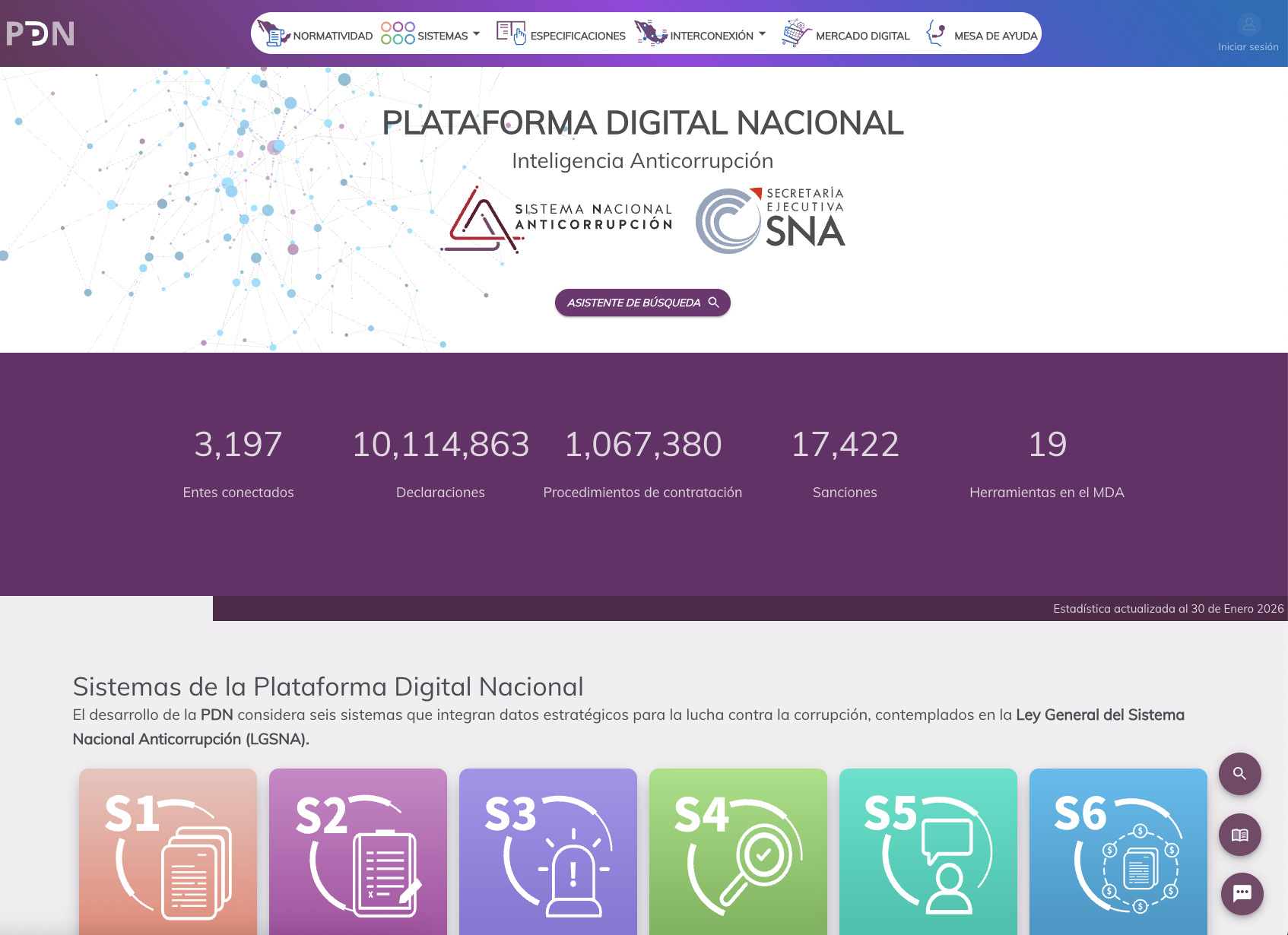
A key part of this work is the Plataforma Digital Nacional (PDN), Mexico’s flagship digital platform to combat corruption. The PDN brings together information from thousands of public institutions across federal and state levels. This allows authorities to analyse trends, cross-check information, and detect inconsistencies that may signal corruption risks.
UNDP has supported SESNA in overcoming major technical hurdles: designing systems that allow data from different sources to be compatible; improving the platform’s ability to manage growing volumes of information; and ensuring data protection in line with human rights standards. UNDP has also worked closely with state-level anti-corruption systems to encourage faster and more consistent data collection. As a result, the PDN saw a significant expansion, reaching 9.9 million information registries from 2,904 public institutions in 2025.
Mexico’s anti-corruption efforts are stronger when citizens can use public data to design and test solutions. That is why UNDP has supported SESNA in organising the Datatón Anticorrupción in 2023 and 2024. During this national event, citizens—from students to technologists—work with policymakers and data experts to develop projects that use PDN datasets to identify corruption risks or propose new ways to prevent them.
These initiatives open space for new voices in the anti-corruption agenda and show how public data, when accessible and well-structured, can fuel creative solutions from society.
Beyond digital platforms, UNDP and SESNA are also collaborating on the development of innovative policy tools that use big data and artificial intelligence. One example is the Anti-corruption Algorithm for Social Programmes, designed to identify unusual patterns, potential distortions, or biases in the delivery of social benefits. By revealing where programmes might be vulnerable, the algorithm helps authorities improve their design and reach the people who need them most.
This work is complemented by the Early Warning System for Anti-Corruption Risks and the Social Programmes Algorithm, which automatically alert authorities to possible risks at different stages of a social programme’s implementation. Together, these tools form the basis of an emerging strategy to help governments take preventive action before problems occur.
As the PDN continues to grow, it will serve as a powerful source of information to strengthen these systems and support more evidence-based decision making.
Mexico’s experience shows that meaningful progress in the fight against corruption requires actionable data, digital innovation, and strong partnerships. UNDP Mexico will continue working with SESNA and state-level institutions to expand these tools. By investing in data systems that are transparent, secure, and accessible, Mexico is building long-term foundations for integrity—helping public institutions deliver better services, strengthening public trust, and demonstrating what is possible when data is placed at the heart of anti-corruption efforts.