Uganda’s infrastructure deficit was estimated at around 1.4 billion USD a year, exacerbated by nearly 300 million USD lost annually to inefficient infrastructure spending, according to the World Bank. This prompted Uganda to focus on open governance and transparency as a way to improve both value for money and quality of public infrastructure. In 2014 Uganda joined CoST, the Infrastructure Transparency Initiative, bringing together government, civil society, and the private sector under a shared commitment to more transparent infrastructure for all citizens.
Although challenges remain in terms of data publication gaps and limited technical capacity in infrastructure management, CoST Uganda has taken multiple multi-stakeholder measures that have produced concrete results over the past decade in the infrastructure sector. These include:
- Citizen participation institutionalized into national law, supported through the baraza approach
- Expanded data publication and literacy
- Strengthened independent review through assurance reports and Infrastructure Transparency Index (ITI) assessments
- Strengthened trust between the private sector and government
Putting local communities at the center
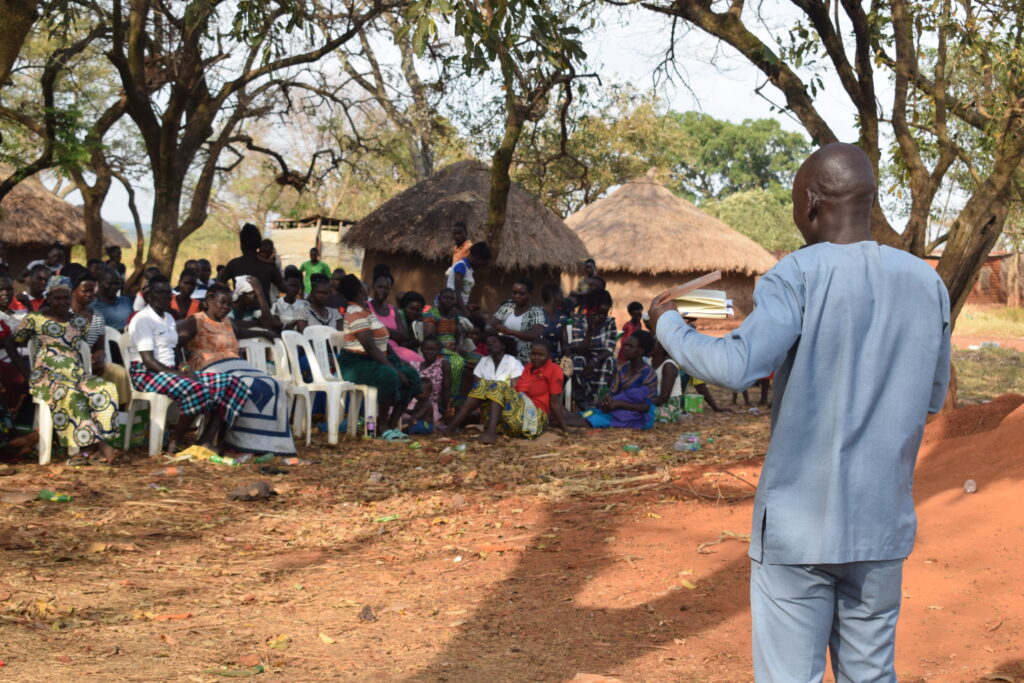
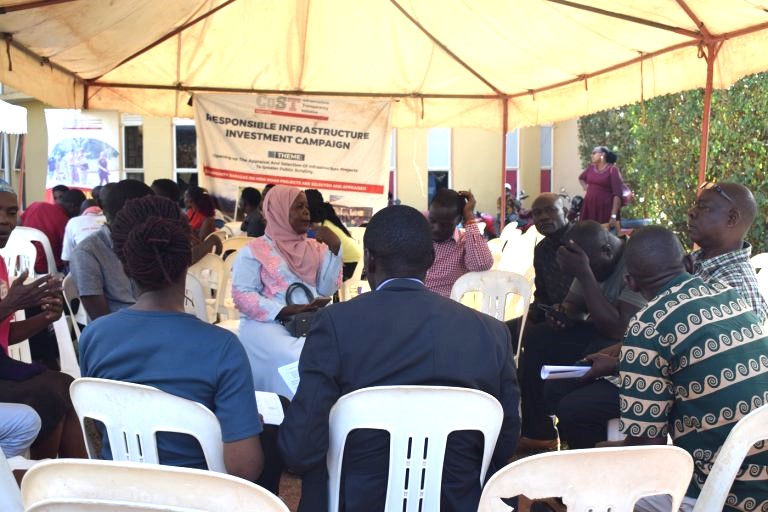
Barazas, the Kiswahili word for public forums, have been central to Uganda’s success. Over five years, these gatherings have brought approximately 3,000 citizens face-to-face with decision-makers to raise concerns and discuss solutions to public infrastructure challenges. Seeing the success of this approach, the Office of the Prime Minister institutionalized the baraza approach to engage communities in government programs more widely.
In 2021, the importance of citizen participation was legally mandated into the monitoring of public contracts, including infrastructure, through an amendment to the Public Procurement and Disposal of Public Assets (PPDA) (Amendment) Act 2021. Since then, Uganda’s citizen participation score in the Infrastructure Transparency Index has grown significantly from 13.8% in 2021 to 33.65% in 2024, showing how a community-rooted approach can shape national policy.
Driving reform through data
In Uganda, low data publication had for a long time been an obstacle to evidence-based decision making. To address this, the Ministry of Works and Transport and CoST Uganda’s host organization, the Africa Freedom of Information Centre, worked consistently with the Public Procurement and Disposal of Public Assets Authority to integrate CoST’s internationally recognized data standard into Uganda’s Government Procurement Portal. By 2025, 381 projects worth over 1 billion USD of infrastructure projects had been published on the portal.
Successful data publication also requires investment in people. CoST Uganda has trained over 1,170 stakeholders, including civil society , public officials, and journalists. Recognizing the role of media in building accountability and public trust, CoST Uganda has worked closely with journalists to strengthen their ability to understand and use procurement data, enabling them to report on corruption, inefficiencies, and mismanagement that would otherwise have gone unnoticed. Since 2020, this work has resulted in over 100 published media stories on public infrastructure nationally, both encouraging more entities to publish infrastructure data on the Government Procurement Portal and for stakeholders to use this data to hold decision makers to account.
Recognizing the value of independent review
The stakeholders involved in Uganda’s CoST work have shown a genuine commitment to independent review (assurance), completing six reports covering 69 projects and two Infrastructure Transparency Index (ITI) assessments covering 118 projects across 60 entities. The most recent assurance report found that the Ministry of Local Government’s data publication rate increased by 26% between 2017 and 2025, reaching 58%. The most recent ITI showed an 11% overall improvement over the previous three years.
Crucially, the findings were acted upon. One report highlighted a road in Northern Uganda that had to be extended from 5.2 to 7.9 kilometers after a dispute with residents who had never been consulted. The resulting scope changes led to unbudgeted costs, underlining why community involvement matters at every stage of project planning.
Rebuilding trust with the private sector
For years, public procurement in Uganda was losing the trust of the private sector. Registered providers dropped from 553 in 2017 to just 371 two years later. Companies cited corruption, high costs, and unfair treatment as reasons to disengage, leaving government with fewer choices, weaker competition, and poor value for money.
To turn this around, CoST Uganda launched a dedicated initiative on fair business practices between government and the private sector, funded by the UK Government’s Department for International Development (DFID). Working in partnership with government and the private sector on project activities, CoST Uganda built relationships with over 150 private sector stakeholders and held targeted training sessions on the procurement framework, including raising awareness of what data was accessible through the Government Procurement Portal.
The increased dialogue gave the private sector a meaningful voice in shaping policy. Legal reforms followed, halving performance securities from 10% to 5% of the contract price, reducing bid securities from 2% to 1%, and replacing bid validity periods with simpler bid declarations. New guidelines also reserved 15% of contract awards for women, youth and people with disabilities, opening the bidding process to more contractors and improving competition and value for money. Through taking this multi-stakeholder approach to increase trust and fairness in the public infrastructure procurement system, it has helped increase the number of bids from 1.6 in 2019 to 12.5 in 2020.
Recognition and remaining gaps
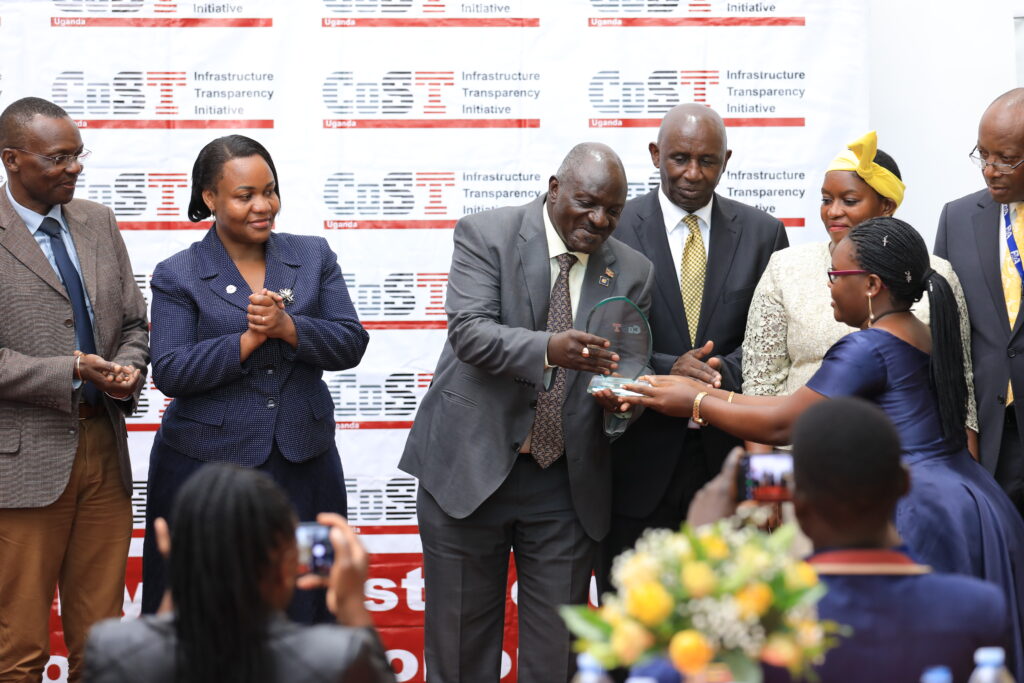
Uganda’s work on public infrastructure transparency shows that fighting corruption is not only about enforcement. It is about building systems and trust where transparency becomes the norm, where communities have a real voice, and where data enables citizens to hold institutions accountable. The work has been recognized internationally, winning the inaugural CoST Alfredo Cantero Award in 2022 and the Basel Institute of Governance’s Anti-Corruption Collective Action Award in 2023.
Yet the data also points to work still ahead. With a national ITI score of 32.26% in 2024 and a data publication rate of 58%, significant gaps remain. Independent reviews continue to flag challenges, from inconsistent community consultation to technical capacity gaps in post-construction management. Uganda’s experience shows that the path to better public infrastructure runs through trust, data, and genuine participation, and that sustained commitment from all stakeholders remains essential to consolidating these gains.
Read the full CoST Uganda impact story [here]. For more information about CoST Uganda, please visit their website.